For international students and families, Beijing is not only a university destination. It is also a housing, visa, healthcare, banking, and daily-life project. This guide collects the official starting points and the order in which to use them, so you can prepare the study side and the living side together instead of discovering them one emergency at a time.
Official starting points
The official study guide is organized around understanding Beijing, studying in Beijing, integrating into the city, and settling in Beijing. That structure is useful for BJNEW because student needs often overlap with newcomer needs.
Save the main portal, not just the guide. As the published first-month guide notes, the Studying in Beijing portal is also where official material on campus life, international student news, career exposure, internships, and industry visits appears. Check it at each stage of your application and enrollment, because universities link their own instructions back to city-level rules.

What students should map early
- University and scholarship information.
- Chinese language level and learning plan (learning Chinese in Beijing).
- Visa, residence permit, and accommodation registration timing.
- SIM card, payment, bank account, and transport setup.
- Healthcare, insurance, and emergency contacts.
- Internship, employment, and entrepreneurship rules after enrollment.
Each item below expands one of those lines into the questions to resolve before you travel.
Before you arrive: university, scholarship, visa
Start with your university’s international student office and the official portal. Confirm your admission documents, the scholarship terms if you have one, and exactly what your funding covers and excludes. Scholarship conditions vary by program, so read your own offer letter rather than summaries written for other students.
Then map your entry paperwork as a chain: admission documents lead to your visa application, and after arrival your enrollment and address lead to residence formalities. Requirements and timelines vary by nationality, program, and university, so take dates from your university’s instructions and the immigration service — the National Immigration Administration is linked from the resources page, which also lists the immigration hotline. Build slack into travel dates: do not book arrival for the last possible day before registration.
Your first week: registration and daily setup
Treat your first week as an admin week, not a sightseeing week.
Address and registration
Whether you live in a dormitory or rent privately, your accommodation registration has to be handled after arrival and after any move. Ask your university whether it registers dormitory students itself, and if you rent outside, work through the process in our accommodation registration guide with your landlord before you sign.
Phone, payments, and banking
Get a local SIM that can receive verification codes, then set up mobile payments, then decide whether you need a local bank account for scholarship payments, part-time income where permitted, or daily spending. The order and document details are in Payments, SIM cards, and banking in Beijing, and the official Payment Services page is linked from resources.
Healthcare and insurance
Know your insurance arrangement before you need it: what your university requires, what it covers, and which hospitals or clinics you would actually use. Identify one nearby hospital, save your insurance and university emergency contacts in your phone, and keep medication names written down. See Healthcare and insurance in Beijing for foreigners for how to think through the options.
Settling in: housing, transport, and city life
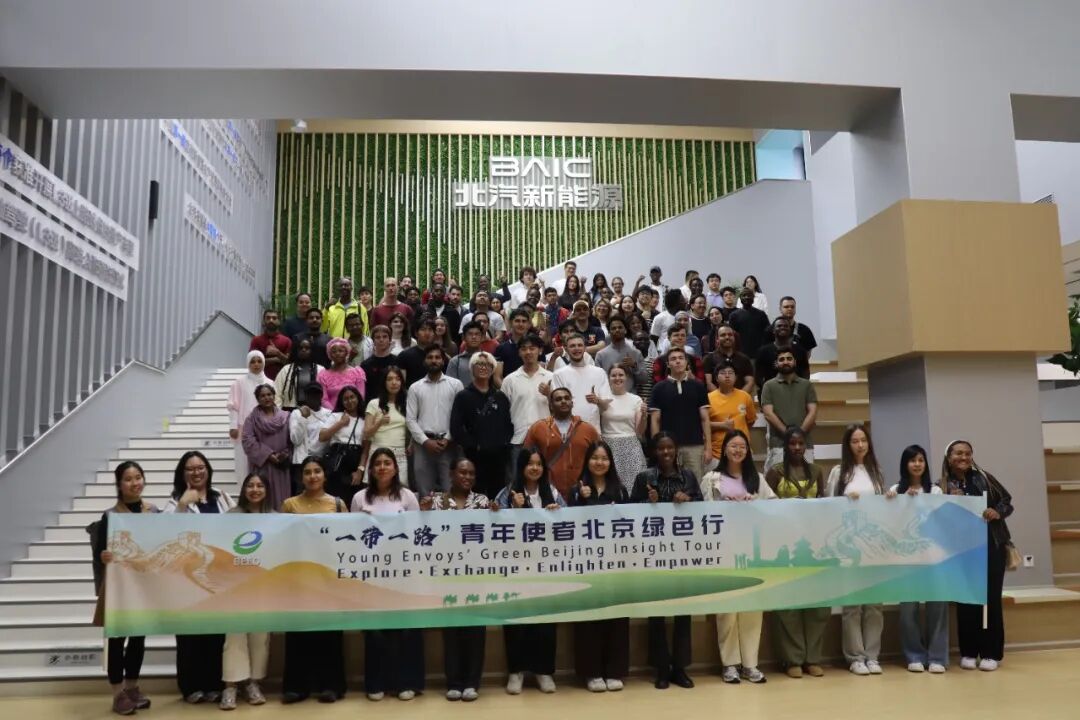
If you leave dormitories later, choose housing by commute first. Beijing distances are deceptive, and a cheap room far from campus costs you hours every week; the best Beijing districts guide helps you weigh areas. For daily travel, learn your subway route and keep the official China Railway 12306 site for intercity trips. The portal’s “integrating into the city” material — events, industry visits, and student activities — is worth following once the admin basics are done; it is how a study stay becomes useful local experience, not just coursework.
Internships and work: check the rules first
Do not assume you can work because an employer is willing. Internship and employment rules for international students depend on your status and your university’s approval processes, and they change. Before accepting anything, confirm the current rules through your university and the official portal, and read Beijing work visa basics to understand how student status differs from work authorization. If you are thinking further ahead — research commercialization, startups, graduate employment — the Investing in Beijing portal shows the city’s official business entry points.
Student start checklist
- Admission and scholarship documents saved, with conditions read.
- Visa paperwork chain mapped with your university, with buffer days.
- Dormitory or housing decision made, registration process confirmed.
- Local SIM, payments, and banking plan ready for week one.
- Insurance understood; nearest hospital and emergency contacts saved.
- Internship and work rules checked before accepting any offer.
- Resources page and the Studying in Beijing portal bookmarked.
Do those seven things and Beijing stops being a logistics problem, so you can spend the semester on the reason you came.